For a long time, sellers from China and other non-EU countries could send low-cost goods individually and duty-free to customers in the EU. That is over. Since 1 July 2026 the €150 customs duty exemption no longer exists, and a second fee is due to follow from November. For sellers who store their goods in the EU, that is good news.
What has changed since July
Small consignments up to €150 from non-EU countries now incur a flat customs fee of €3. It is not charged per parcel but per item line, i.e. per product category in the parcel. A parcel containing three different types of item can therefore cost €9. The flat fee is limited until 1 July 2028.
For very cheap products this makes a big difference: depending on the value of the goods, the price can rise by 30 to 75%, according to t3n.
What is due to follow from November
The EU is also planning a handling fee of €2 per item line for distance sales from non-EU countries. The planned start is 1 November 2026. However, it has not yet been finally adopted; Parliament and Council are still reviewing the regulation.
Three points are important:
- The fee is paid by the declarant, usually the platform or the seller, not the customer.
- It also applies to consignments over €150.
- It is not refunded for returns.
Together with the flat customs fee, that quickly adds up to €5 per item line.
How the big platforms are reacting
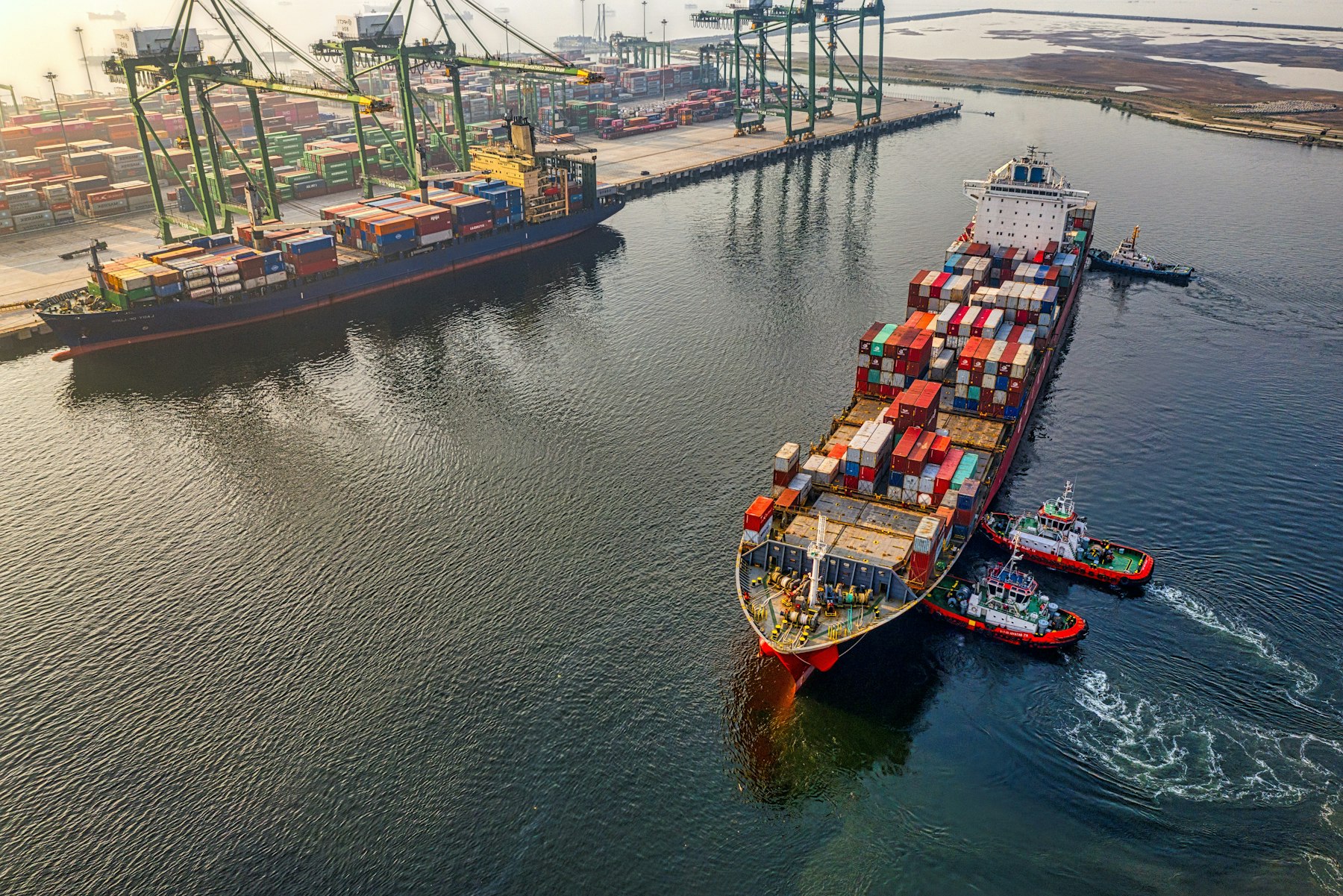
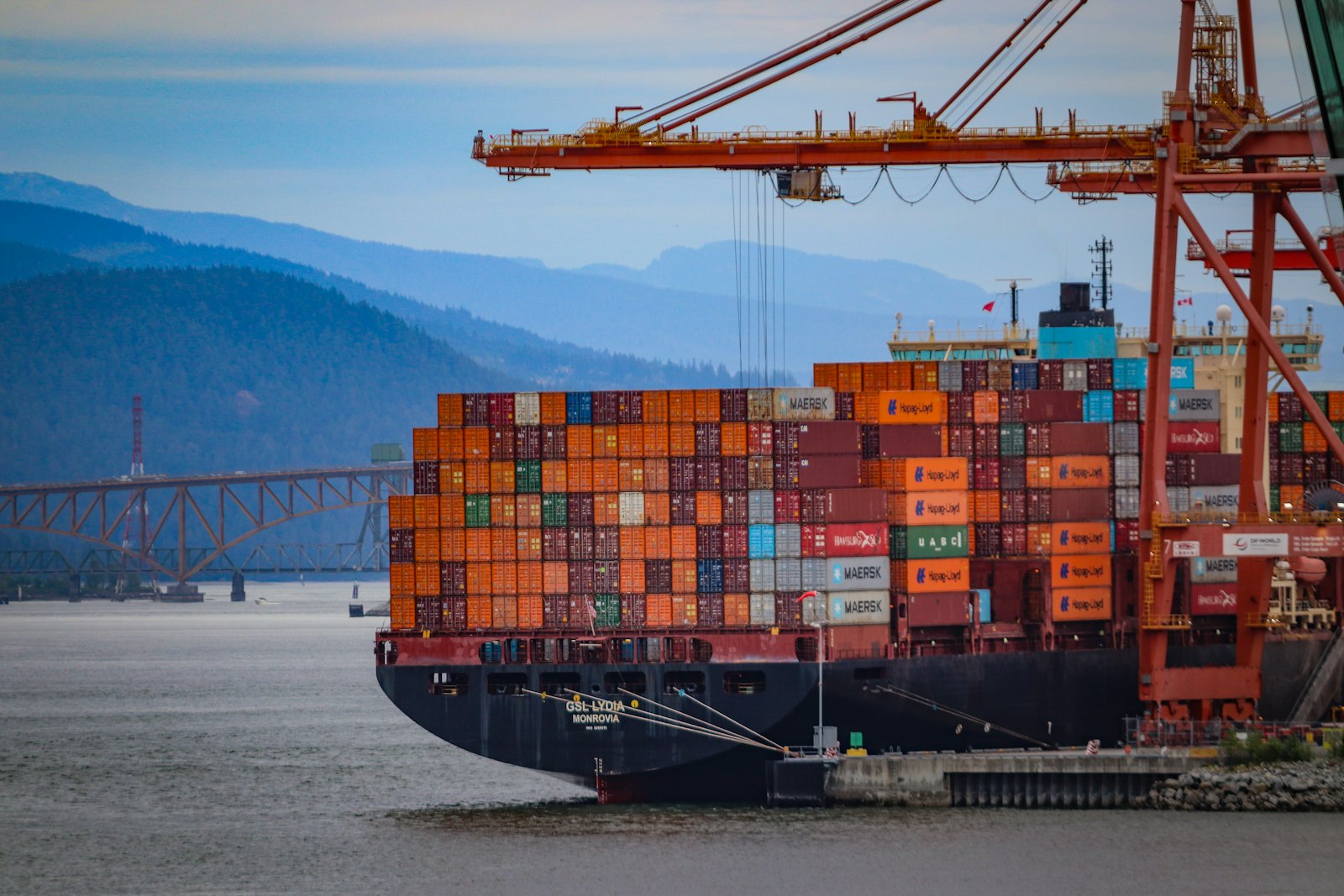
The big players are already restructuring their supply chains. According to DHL, some now import their goods in larger consolidated shipments, clear them through customs in the regular way and then distribute them from European warehouses, for example in Poland or the Czech Republic. Shein reported a loss for the first quarter of 2026 and cited higher logistics and trade costs as one of the reasons.
So the price gap between cheap goods from Asia and sellers with a warehouse in the EU is getting smaller.
What this means for you as a seller
If you source your goods in Asia yourself, it’s worth taking a close look at your supply chain:
- Check your calculation: Work out what single-parcel shipping from Asia costs you per order, including the flat customs fee and handling fee.
- Import in bulk: Instead of many small parcels, the goods arrive as a consolidated shipment or in a container. They are cleared through customs once in the regular way and then shipped from Germany.
- Use delivery time as an advantage: Goods from a German warehouse usually reach the customer much faster than a parcel from Asia.
- Leave customs to the professionals: Customs clearance is usually handled by your freight forwarder or a customs broker. Check with them which duties and charges apply to your goods.
How FulFy supports you
We also accept your goods as a full 20 ft or 40 ft container, store them in Neumünster and ship your orders within Germany and to other European countries. If you’re thinking about storing your goods in the EU in future, let’s look together at what fits your shop.
Note: This article gives an overview as of October 2026 and does not replace customs or legal advice.